
 By
By 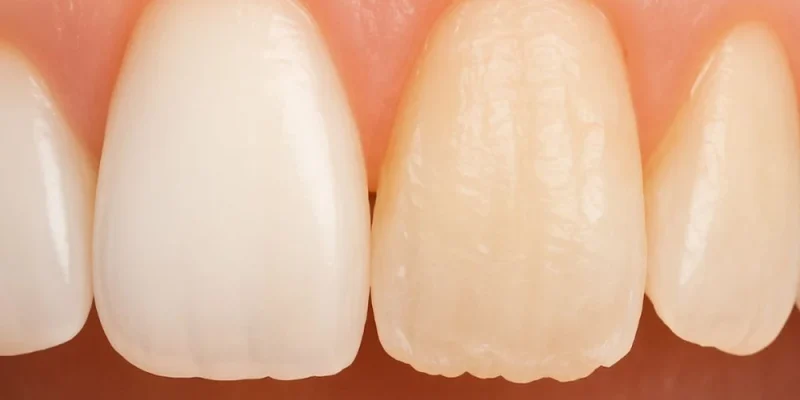
You might not think much about your enamel until your teeth start to feel sensitive, look dull, or react every time you sip something cold. That is often how it begins. One small twinge turns into a pattern, and suddenly you are wondering whether the damage can be reversed or whether bigger dental work is ahead. If that sounds familiar, you are not overreacting. At Pacific Coast Dental in Los Alamitos, enamel wear can feel easy to ignore at first, but it has a way of becoming harder to overlook once everyday comfort changes.
The good news is that enamel protection usually starts with simple habits, not extreme ones. If you want the short version, here it is. Limit acid and sugar, use fluoride, clean your teeth the right way, avoid grinding, watch how you snack, and stay consistent with checkups. These 6 Preventive Tips From General Dentists To Strengthen Enamel can help lower your risk of decay and help your teeth stay stronger for the long run.
Why does enamel seem fine one day and sensitive the next?
Enamel is the hard outer layer of your teeth, but hard does not mean indestructible. Every day, it faces pressure from chewing, acid from food and drinks, and plaque that feeds on sugars. Over time, those repeated hits can wear it down. Once enamel thins, your teeth may become more sensitive, more likely to stain, and more at risk for cavities.
That is where the cycle gets frustrating. You may brush more aggressively because your teeth do not feel clean, but that can make wear worse. You may reach for sports drinks or sparkling water instead of soda, assuming they are harmless, but many acidic drinks still soften enamel. Because of this, you might wonder what actually helps.
A good place to start is understanding how decay begins. The National Institute of Dental and Craniofacial Research explains the tooth decay process in a clear way. Plaque bacteria use sugars to create acids, and those acids pull minerals from enamel. If that keeps happening without enough repair time, the surface weakens.
What do general dentists recommend to protect enamel every day?
First, cut back on frequent sugar and acid exposure. It is not only what you eat, but how often. Sipping juice, soda, energy drinks, or sweet coffee over hours keeps your teeth under constant acid attack. If you do have something acidic, try having it with a meal instead of grazing on it all day.
Second, use fluoride. Fluoride helps strengthen enamel and can support the repair of early weak spots before they become larger problems. The CDC explains how fluoride helps prevent cavities by making teeth more resistant to acid. A fluoride toothpaste is often one of the simplest tools in your routine.
Third, brush gently with the right technique. Scrubbing harder does not mean cleaning better. A soft bristled toothbrush and small circular motions are usually enough. The National Institute of Dental and Craniofacial Research shares practical oral hygiene guidance that supports daily enamel care.
Fourth, do not skip flossing. If plaque stays between teeth, enamel can weaken in places your toothbrush never reaches. Fifth, pay attention to grinding and clenching, especially if you wake up with jaw soreness or headaches. That repeated force can wear enamel down faster than many people realize. Sixth, keep regular dental visits on your calendar. A general dentist can spot early enamel erosion before it turns into pain or costly treatment.
Which daily habits help enamel, and which ones slowly wear it down?
Sometimes the difference comes down to small choices you repeat without thinking. That is why a side by side view can help.
| Habit | Helps Strengthen Enamel | Can Weaken Enamel |
|---|---|---|
| Brushing | Using a soft brush and fluoride toothpaste twice a day | Scrubbing hard with a medium or hard bristle brush |
| Drinks | Water, milk, and limiting acidic drinks to mealtimes | Sipping soda, sports drinks, or citrus drinks throughout the day |
| Snacking | Fewer snack times and rinsing with water after sweets | Frequent sugary snacks that keep feeding plaque bacteria |
| After Acidic Foods | Waiting about 30 minutes before brushing | Brushing right away when enamel is softened by acid |
| Nighttime Habits | Wearing a night guard if you grind your teeth | Ignoring clenching, grinding, and jaw tension |
| Dental Care | Routine cleanings and early checks for wear | Waiting until pain forces a visit |
If you are trying to follow dentist tips for stronger enamel, this is the heart of it. You do not need a perfect routine overnight. You need habits that lower daily stress on your teeth and give enamel a better chance to stay strong.
What can you do right now if you want better enamel protection?
1. Audit your drinks and snacks. Look at what touches your teeth between meals. If you are constantly sipping sweet or acidic drinks, that may be one of the biggest sources of enamel stress. Try switching some of those moments to plain water and keeping treats closer to mealtime.
2. Upgrade your brushing routine. Choose a soft toothbrush, use fluoride toothpaste, and brush gently for two minutes twice a day. If you tend to brush right after orange juice, soda, or vinegar based foods, wait a bit first. That small change can help prevent brushing softened enamel.
3. Pay attention to warning signs. Sensitivity, rough edges, yellowing, or pain when eating sweets can all point to enamel wear or early decay. If you notice those changes, do not just push through them. A visit with a family dental provider or general dental office can help you catch issues early, when treatment is often simpler and less expensive.
So where does that leave you if enamel damage is already starting?
It leaves you with more control than you may think. Enamel does not grow back once it is lost, but early weakening can often be managed, and further damage can often be slowed with the right care. That matters. It means a few steady changes now can protect your comfort, your smile, and your budget later.
If your teeth have been feeling different lately, take that seriously, but do not panic. Start with these enamel care tips, stay consistent, and schedule a checkup if something feels off. A trusted general dentist can help you understand what is happening and what steps make the most sense for your teeth.




Comments