
 By
By 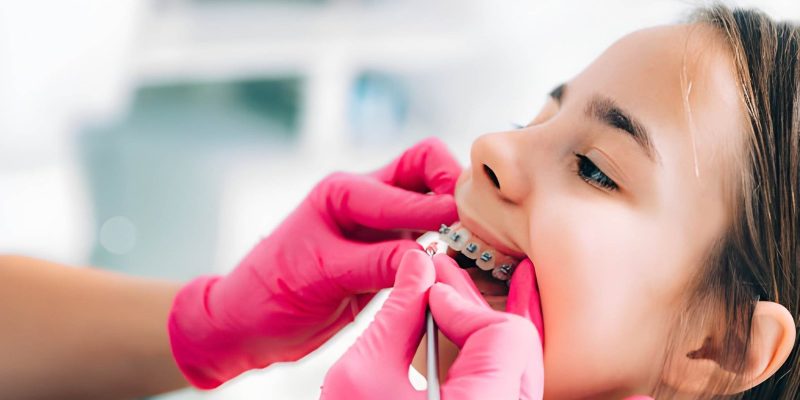
If you have noticed that the adult teeth of your seven-year-old child are coming in crooked, panic sets in quickly. You start picturing full metal brackets on tiny baby teeth and wondering if it is truly necessary so soon.
The truth? Early intervention, often called Phase 1 treatment, is not about making a seven-year-old’s smile picture-perfect right away. It is really about catching underlying jaw growth issues while their bones are still soft, flexible, and workable.
Why Age Seven Is the Magic Number
The American Association of Orthodontists suggests getting an evaluation around age seven. Why so early, you may ask. Well, by this stage, a kid has enough permanent teeth to reveal subtle jaw discrepancies, severe crowding, or bad bite alignment.
Parents must understand that early braces for kids works directly with the natural growth spurts of your child. Visiting trusted orthodontists like Bala Smiles ensures the best braces for kids Austin. It gives young patients a solid foundation for their adult teeth. Choosing an experienced team makes all the difference when navigating these early decisions, saving families a ton of stress and money down the road.
Red Flags to Watch Out For
So, how do you know if your little one actually needs interceptive care right now? Keep an eye out for a few common signs:
- Crossbites or Underbites: Top and bottom jaws do not line up, causing teeth to lock abnormally.
- Severe Crowding: Adult teeth struggle to erupt because there is literally zero space left in the mouth.
- Protruding Front Teeth: “Buck teeth” that stick out and are super vulnerable to getting chipped during playground mishaps.
- Stubborn Oral Habits: Prolonged thumb-sucking or tongue-thrusting that visibly warps jaw structure over time.
The Real Goal of Phase 1 Treatment
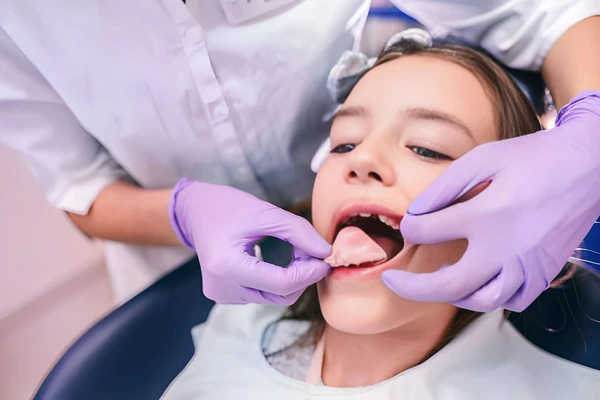
Catching these issues between ages six and ten uses targeted tools – think palatal expanders or partial braces – to gently guide bone development. Expanding a narrow upper jaw creates physical room for crowded teeth to drop down naturally.
It can even fix subtle breathing restrictions or awkward chewing patterns before those skeletal bones fuse permanently! Doing this early prevents nasty complications later, like impacted teeth or jaw asymmetry.
Phase 1 vs. Phase 2: What Is the Difference?
Now, does Phase 1 eliminate the need for traditional braces in middle school? Not always. And honestly, that is totally ok!
- Phase 1: Fixes structural jaw framework issues and guides early growth.
- Phase 2: Happens around ages eleven to fourteen to fine-tune final tooth alignment once all baby teeth are gone.
The biggest perk? Getting early care means Phase 2 is usually much faster, way less complicated, and avoids invasive tooth extractions or painful jaw surgeries.
What Should You Do Next?
Not every child needs Phase 1 intervention. In fact, many kids just need routine monitoring while their mouth grows! But taking them in for an early evaluation gives you complete peace of mind. You will know whether to start gentle treatment now or simply sit back, relax, and let nature take its course.




Comments