
 By
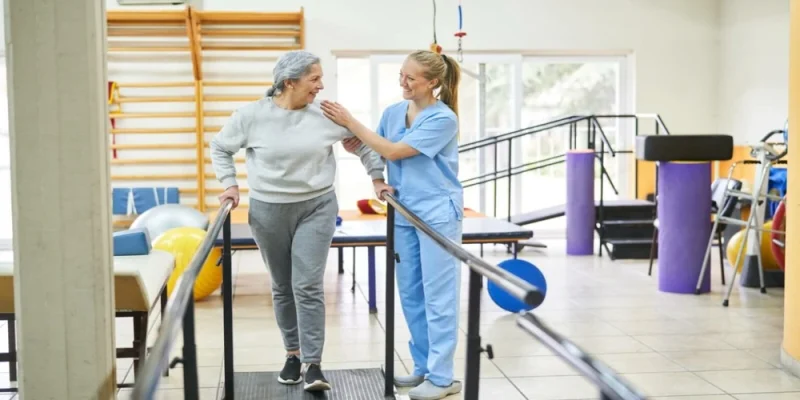
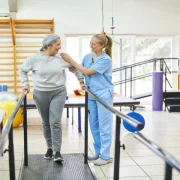
Recovering from sickness can be challenging for seniors who face reduced strength or limited movement. Simple household activities may suddenly require extra effort. Families often seek reliable support to restore physical abilities. Professional rehabilitation services for elderly focus on improving mobility through guided activities.
Structured recovery plans encourage steady progress while addressing individual limitations. Skilled caregivers assess personal needs before suggesting suitable exercises. Regular practice builds confidence during everyday routines. With consistent encouragement from family members and trained specialists, seniors can gradually resume familiar responsibilities while maintaining greater control over daily living.
Restoring Physical Strength Through Guided Activities
Gentle movements improve muscle function while helping seniors rebuild the physical capacity needed for regular tasks without excessive physical strain.
Improving Balance During Common Daily Movements
Balance activities develop better body control while reducing instability during standing or walking within familiar surroundings throughout the recovery period.
Creating Practical Plans For Individual Needs
Personal assessments help specialists develop suitable recovery routines based on existing abilities.
· Review current physical limitations
· Identify manageable personal goals
· Establish suitable activity levels
· Monitor gradual functional improvements
· Adjust routines when necessary
Strengthening Essential Skills For Independent Living
Daily practice supports greater independence through familiar household responsibilities.
· Practice safe standing movements
· Improve personal dressing abilities
· Develop stronger hand coordination
· Encourage independent personal hygiene
· Reduce unnecessary physical dependence
Supporting Safe Movement Around Living Spaces
Clear pathways combined with practical movement guidance allow seniors to navigate rooms confidently while avoiding unnecessary physical risks during recovery.
Encouraging Confidence Through Small Personal Achievements
Completing manageable tasks creates positive feelings that motivate individuals to continue practising essential skills despite temporary physical limitations or difficulties.
Providing Professional Support During Recovery Progress
Qualified rehabilitation services for elderly offer structured guidance that supports consistent improvement.
· Assess changing mobility needs
· Provide supervised physical activities
· Encourage safe movement habits
· Review individual recovery progress
· Explain practical home adjustments
Reducing Physical Risks Through Better Awareness
Understanding personal limitations helps prevent avoidable injuries during routine activities.
· Remove unnecessary household obstacles
· Maintain suitable room lighting
· Use recommended support equipment
· Avoid excessive physical effort
· Follow professional safety guidance
Building Better Coordination For Routine Tasks
Simple coordination activities strengthen connections between physical movements while making dressing or personal care easier to manage without constant assistance.
Developing Greater Endurance Through Regular Practice
Gradual activity sessions improve stamina while allowing sufficient rest between movements to prevent unnecessary exhaustion during the healing process itself.
Encouraging Family Participation Throughout Healing Stages
Family involvement creates a supportive environment for continued progress.
· Offer patient daily encouragement
· Respect individual personal choices
· Assist with challenging activities
· Recognise small physical improvements
· Maintain regular specialist communication
Monitoring Functional Improvements With Simple Goals
Clear milestones help measure progress without creating unrealistic expectations.
· Record changes in walking ability
· Observe improvements in balance
· Track daily activity tolerance
· Review personal task completion
· Discuss concerns with specialists
Maintaining Emotional Motivation Throughout Recovery Stages
Positive encouragement from relatives supports emotional wellbeing while helping seniors remain committed to their personal recovery goals through difficult periods.
Promoting Long-Term Mobility And Confidence
Consistent healthy habits support continued physical ability beyond structured recovery sessions.
· Maintain suitable movement routines
· Follow recommended activity schedules
· Allow adequate recovery periods
· Continue practising essential skills
· Seek guidance whenever difficulties arise
Successful recovery requires patience alongside practical assistance. Personalised guidance strengthens everyday abilities while thoughtful family involvement encourages steady participation. Regular assessments identify changing requirements so activities remain suitable. A balanced approach promotes safer routines while supporting lasting self-reliance. Seniors benefit most when progress follows realistic expectations with enough opportunity to develop useful habits. Continued professional supervision provides direction whenever new challenges appear.




Comments