
 By
By 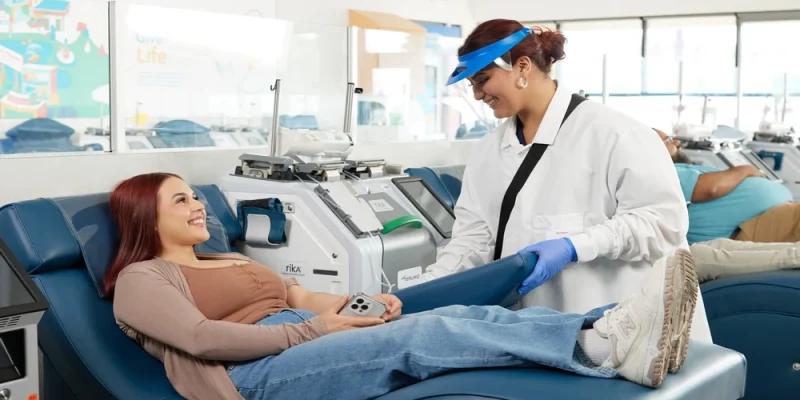
Key Takeaways
- Plasma donations play an important role in producing therapies for people with serious and chronic medical conditions.
- Donating plasma can support patients who rely on plasma-derived treatments for ongoing care.
- The donation process includes a health screening that helps determine whether a person is eligible to donate safely.
- Plasma donation is a structured process that typically includes registration, screening, collection, and post-donation recovery.
- Proper preparation, including hydration, adequate rest, and eating a balanced meal, can help make the donation experience more comfortable.
- Donating locally in Orem allows residents to support the broader need for plasma and contribute to the health of their community.
- First-time donors can make the process easier by understanding eligibility requirements and following the center’s preparation instructions.
- Regular donors can help create a reliable supply of plasma for medical treatments while becoming part of a community-focused effort.
Your Plasma Can Help Support Life-Saving Medical Treatments
One of the most powerful reasons to donate plasma is the potential impact it can have on patients who depend on plasma-derived therapies.
Plasma is the liquid portion of blood and contains proteins, antibodies, and other components that are important for medical treatment. Donated plasma can be used in the development of therapies for individuals dealing with certain immune disorders, bleeding disorders, burns, trauma, and other serious health conditions.
For patients who rely on these treatments, access to donated plasma can be extremely important. Every eligible donation contributes to the supply of plasma needed to manufacture therapies that may improve or support the lives of people facing significant medical challenges.
Choosing plasma donation ut in Orem can therefore be a meaningful way to support patients beyond your immediate community.
You Can Support Patients With Chronic Medical Conditions
Plasma-derived medicines are used to help people living with certain chronic and complex medical conditions. Some patients require ongoing treatments, making a consistent supply of donated plasma particularly important.
By becoming a plasma donor, eligible individuals can contribute to the resources needed to create these therapies.
Your donation may help support patients who need plasma-based treatments as part of their long-term care. This makes plasma donation more than a one-time charitable act. Regular donations can contribute to a dependable supply that helps support patients over time.
The Donation Process Includes a Health Screening
Another benefit of donating plasma is that donors typically undergo a screening process before each donation. The purpose of this screening is to determine whether the individual is eligible to donate safely.
Depending on the donation center’s procedures, the screening process may involve:
- Reviewing medical history.
- Checking vital signs.
- Evaluating general health.
- Confirming eligibility requirements.
- Reviewing relevant medications or health conditions.
The screening process is designed to protect both donors and recipients. Donors should always provide accurate information about their health and follow the center’s eligibility guidelines.
While a donation screening is not a substitute for regular medical care, it can be a useful part of the donation process and helps ensure that donations are collected under appropriate safety standards.
Donating Plasma Is a Structured and Manageable Process
For first-time donors, the idea of donating plasma may seem intimidating. However, understanding what happens during the process can make the experience feel more manageable.
The donation process generally involves several stages:
Registration
The donor provides identification and completes the required paperwork and health questionnaire.
Screening
Staff members conduct the necessary health checks and determine whether the donor meets the center’s current eligibility requirements.
Plasma Collection
Once approved, the donor is seated comfortably while the plasma collection procedure is performed using sterile equipment. The exact duration varies by individual and donation center.
Recovery
After the donation, donors may be provided with refreshments and encouraged to rest briefly before leaving.
Understanding each stage can help first-time donors feel more prepared and confident.
Proper Preparation Can Make Donation Easier
Preparing properly before a plasma donation can contribute to a more comfortable experience.
Donors should follow the instructions provided by their specific donation center. General preparation may include:
- Drinking plenty of water.
- Getting adequate sleep before the appointment.
- Eating a balanced meal beforehand.
- Wearing comfortable clothing.
- Bringing valid identification and required documents.
- Avoiding strenuous activity when advised by the donation center.
Hydration is particularly important because plasma contains a significant amount of water. Arriving well-hydrated can help support the donation process.
Donors should also follow any specific instructions provided by the center, as eligibility and preparation requirements can vary.
Donating in Orem Lets You Support Your Local Community
Choosing to donate plasma locally can be a meaningful way to contribute to the health and well-being of others.
Residents of Orem and surrounding communities can help support the broader need for plasma by participating at eligible donation centers. When more qualified individuals become regular donors, the community can contribute to a more consistent supply of plasma for medical use.
Local donation efforts can also raise awareness about the importance of plasma donation. When donors share their experiences with friends, relatives, and coworkers, they may encourage others to learn more about the process and determine whether they are eligible.
Community participation can make a difference by turning individual donations into a larger collective effort.
First-Time Donors Can Take Simple Steps to Prepare
Many people hesitate to donate plasma because they are unsure about the process or whether they qualify. Learning the basic requirements in advance can help reduce uncertainty.
Before scheduling a first donation, potential donors should:
- Review the donation center’s current eligibility requirements.
- Confirm age and weight requirements.
- Check whether any medications or medical conditions may affect eligibility.
- Get adequate rest before the appointment.
- Prepare any required identification.
- Ask donation staff questions about the process.
Eligibility requirements can vary by donation center and may change over time. For this reason, potential donors should always confirm the latest requirements directly with the facility they plan to visit.
Being informed can make the first donation experience more comfortable and predictable.
Regular Donations Can Help Maintain a Reliable Plasma Supply
Plasma is needed continuously for the production of plasma-derived therapies. This means that regular donations from eligible individuals can play an important role in maintaining an adequate supply.
People who qualify to donate and are comfortable with the process may choose to become regular donors according to the schedule permitted by their donation center.
Consistent participation can help support patients who rely on plasma-derived treatments and contribute to the broader healthcare system.
Before making repeated donations, individuals should follow the donation center’s guidelines regarding frequency, eligibility, and recovery.
How to Prepare for Your Plasma Donation in Orem
Preparing for your appointment can help create a smoother experience. In addition to staying hydrated and getting enough sleep, donors should arrive prepared with the necessary identification and information requested by the donation center.
A simple preparation checklist may include:
- Drink water before your appointment.
- Eat a nutritious meal as recommended by the center.
- Get enough sleep the night before.
- Wear comfortable clothing.
- Bring valid identification.
- Review your medical history and medications.
- Follow all instructions provided by the donation center.
If you have questions about your eligibility or health, speak with the donation center’s staff before your appointment.
What to Expect After Donating Plasma
After donating, most people can return to their normal activities according to the guidance provided by the donation center. Donors may be encouraged to drink fluids, eat a snack or meal, and avoid strenuous activity for a period of time if advised.
Some individuals may experience temporary effects such as:
- Mild bruising at the needle site.
- Temporary fatigue.
- Lightheadedness.
- Soreness.
Donors should follow the aftercare instructions provided by the center and notify staff if they experience concerning symptoms.
FAQ
Why should I donate plasma in Orem, UT?
Donating plasma can help support the production of therapies used by patients with certain serious and chronic medical conditions. Donating locally in Orem also allows eligible residents to contribute to the broader need for plasma.
Is plasma donation safe?
Plasma donation is performed under regulated procedures by trained professionals. Donation centers screen potential donors and use sterile equipment. Individuals should follow all eligibility and safety instructions provided by their donation center.
How long does plasma donation take?
The total time varies depending on the donation center, screening process, and individual circumstances. The plasma collection itself may take longer than a standard whole-blood donation, so donors should plan enough time for registration, screening, collection, and recovery.
How should I prepare for plasma donation?
Donors should follow the specific instructions provided by their donation center. General preparation may include staying hydrated, getting adequate sleep, eating a balanced meal, and bringing valid identification.
Can anyone donate plasma?
Not everyone is eligible to donate. Requirements can include age, weight, general health, medical history, medications, and other factors. Potential donors should check the current requirements with their chosen donation center.
What are the possible side effects of plasma donation?
Some donors may experience temporary effects such as mild bruising, fatigue, or lightheadedness. Donors should follow post-donation instructions and contact donation staff if they have concerns.
How often can I donate plasma?
The frequency of plasma donation depends on applicable regulations, medical eligibility, and the policies of the donation center. Donors should always follow the schedule recommended by the facility where they donate.
How is plasma donation different from whole-blood donation?
Plasma donation collects the liquid portion of blood while returning most of the other blood components to the donor. Whole-blood donation collects blood as a whole. The procedures and recovery requirements may differ.
What can I do to encourage others to donate plasma?
You can help by sharing accurate information about plasma donation, explaining your personal experience, and encouraging friends and family to check their eligibility. Always direct potential donors to qualified donation centers for current requirements and medical guidance.









Comments